As a medical marijuana doctor, a common question I hear is: “How do I choose the right product for my needs?” The answer often lies in understanding the different ratios of THC (tetrahydrocannabinol) to CBD (cannabidiol) in various marijuana products and how they can affect your experience. By tailoring the THC:CBD ratio to your needs, you can better control the effects, whether you’re aiming for a clear mind, pain relief, or full-body relaxation.
This guide explores the importance of THC and CBD ratios, how they interact in the body, and how medical marijuana patients can use these ratios to achieve their wellness goals.
The Basics of THC and CBD
THC: The Psychoactive Compound
THC is the compound in marijuana most associated with psychoactive effects, often described as a “head high.” It interacts with the CB1 receptors in the brain, leading to elevated mood, increased creativity, and a feeling of euphoria. However, high doses of THC can sometimes lead to anxiety, paranoia, or increased heart rate, especially for users sensitive to its effects.
CBD: The Non-Psychoactive Healer
CBD, on the other hand, is non-psychoactive and well-known for its calming, anti-inflammatory, and neuroprotective properties. It interacts more with the CB2 receptors found throughout the body, helping to reduce pain, inflammation, and anxiety. One of CBD’s greatest benefits is its ability to counteract some of THC’s effects, providing a smoother, more balanced experience.
The Entourage Effect: How THC and CBD Work Together
When THC and CBD are combined, they create a synergistic interaction known as the “entourage effect.” This means that when both cannabinoids are consumed together, they can enhance each other’s benefits while minimizing unwanted side effects. For example:
- CBD can reduce the anxiety or paranoia that THC may cause.
- THC can improve CBD’s ability to relieve pain and relax muscles.
Understanding the ideal THC:CBD ratio for your condition is key to maximizing therapeutic benefits while minimizing side effects.
Common THC:CBD Ratios and Their Effects
- High THC, Low CBD (e.g., 20:1 THC:CBD)
- Effects: Strong psychoactive experience with minimal CBD to moderate the effects.
- Best For: Patients seeking relief from severe pain, nausea, or those comfortable with an intense head high.
- Caution: May cause anxiety or paranoia in sensitive individuals.
- Balanced THC:CBD (e.g., 1:1 THC:CBD)
- Effects: Equal parts THC and CBD provide a balanced experience, combining mild psychoactivity with significant therapeutic benefits.
- Best For: General relaxation, pain relief, and anxiety reduction. Ideal for first-time users or those seeking moderate effects.
- Low THC, High CBD (e.g., 1:20 THC:CBD)
- Effects: Minimal to no psychoactive effects, with CBD providing a calming and body-focused experience.
- Best For: Patients managing inflammation, anxiety, or epilepsy, and those looking to avoid feeling “high.”
Tailoring Your Experience: Finding the Right THC:CBD Ratio
If You’re Seeking to Avoid a Head High:
- Choose lower THC, higher CBD ratios (e.g., 1:10 THC:CBD or greater).
- Look for full-spectrum CBD products that contain a small amount of THC to enhance effects without strong psychoactivity.
If You Want a Body-Focused Experience:
- Balanced THC:CBD ratios (1:1 or 2:1) are ideal for pain relief, inflammation, and muscle relaxation.
- These ratios can be effective for arthritis, multiple sclerosis, and fibromyalgia patients.
If You Want a Mild Head High:
- A THC:CBD ratio of 5:1 or less provides gentle psychoactivity while allowing you to remain functional.
- Start with low doses and increase gradually to avoid unwanted effects.
Tips for Choosing the Right Medical Marijuana Product
Start Low, Go Slow: Always begin with a low dose, especially if you’re new to cannabis. Wait at least 2 hours before increasing dosage.
Read Product Labels Carefully: Medical marijuana products should list THC and CBD content. If unclear, ask your dispensary’s budtender for guidance.
Choose the Right Consumption Method:
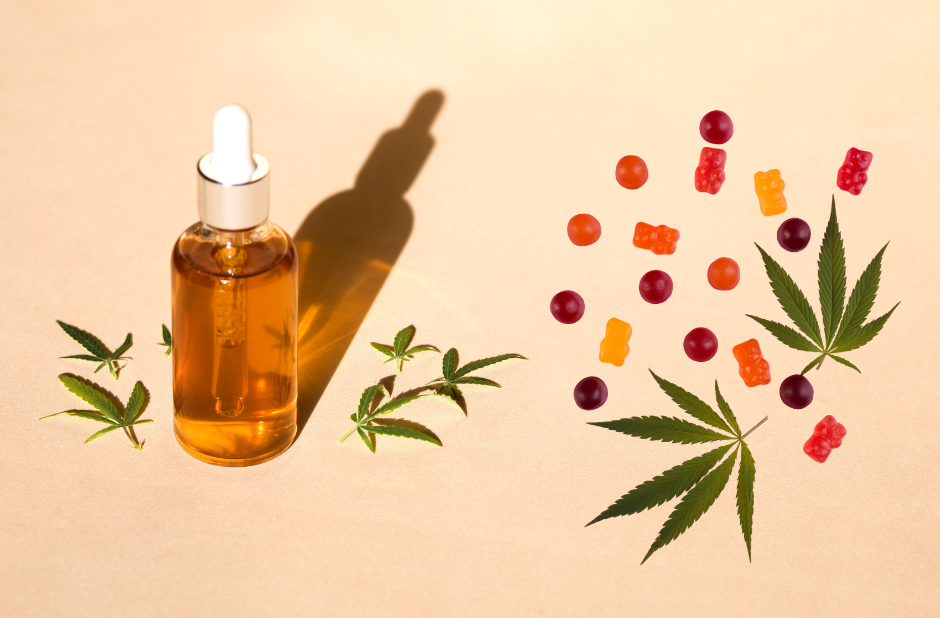
- Edibles, oils, and tinctures offer longer-lasting effects and better control over dosage.
- Inhaled products (vaping, smoking) provide faster effects but can be harder to dose precisely.
- Topicals (creams, balms) allow for localized relief without psychoactive effects.
Conclusion
One of the greatest advantages of medical marijuana is its customizability. Understanding THC and CBD ratios allows you to personalize your cannabis experience to match your medical needs and lifestyle. Whether you’re looking for chronic pain relief, anxiety reduction, or relaxation, selecting the right ratio can enhance your results while minimizing unwanted side effects.
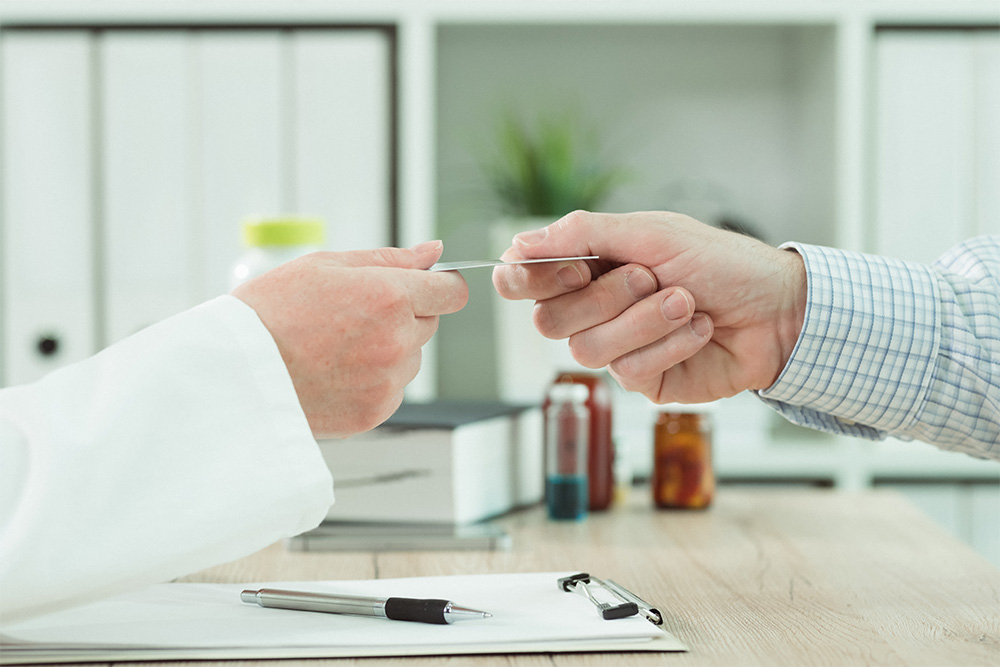
If you’re unsure where to start, consult a medical marijuana doctor who can recommend the best ratio and product type for your condition.
FAQs: Understanding THC and CBD Ratios
1. What’s the Best THC:CBD Ratio for Pain Relief?
A balanced 1:1 ratio is often recommended for chronic pain management, as it provides both anti-inflammatory and analgesic effects without excessive psychoactivity.
2. Can CBD Reduce the Psychoactive Effects of THC?
Yes! CBD counteracts THC’s psychoactive effects, helping to reduce anxiety, paranoia, and drowsiness. This is why many users prefer ratios of 2:1 or higher (CBD:THC).
3. What THC:CBD Ratio is Best for Anxiety?
For anxiety and stress relief, a high-CBD, low-THC ratio (e.g., 1:10 or 1:20) is recommended. This minimizes psychoactive effects while promoting relaxation.
4. How Do I Know if a THC:CBD Ratio is Right for Me?
Start with low THC and high CBD and gradually adjust based on your comfort level. Keep a journal of your doses and effects to find the best ratio for you.
5. Do THC and CBD Work Better Together?
Yes! The entourage effect suggests that THC and CBD work more effectively when used together rather than separately. A small amount of THC enhances CBD’s pain-relieving and anti-inflammatory effects.