How THC Topicals Work for Muscle, Joint, and Arthritis Relief
When your knees ache after a hike in the Black Hills or your back feels sore after a long day at work, smoking or eating cannabis may not be what you have in mind. THC topicals offer another way for South Dakota medical cannabis patients to incorporate cannabinoids into their wellness routines.
Cannabis topicals include creams, lotions, balms, salves, and other products that you apply directly to the skin. Some contain only THC, while others combine THC with CBD or additional ingredients. Because they’re used differently from flower, vapes, tinctures, and edibles, topicals can appeal to patients interested in a more targeted application.
If you’re considering medical cannabis for a qualifying debilitating condition in South Dakota, Rapid Referrals can help you take the first step. Schedule an in-person evaluation at our Rapid City clinic to apply for or renew your South Dakota medical cannabis card.
[Schedule Your SD MMJ Consultation]
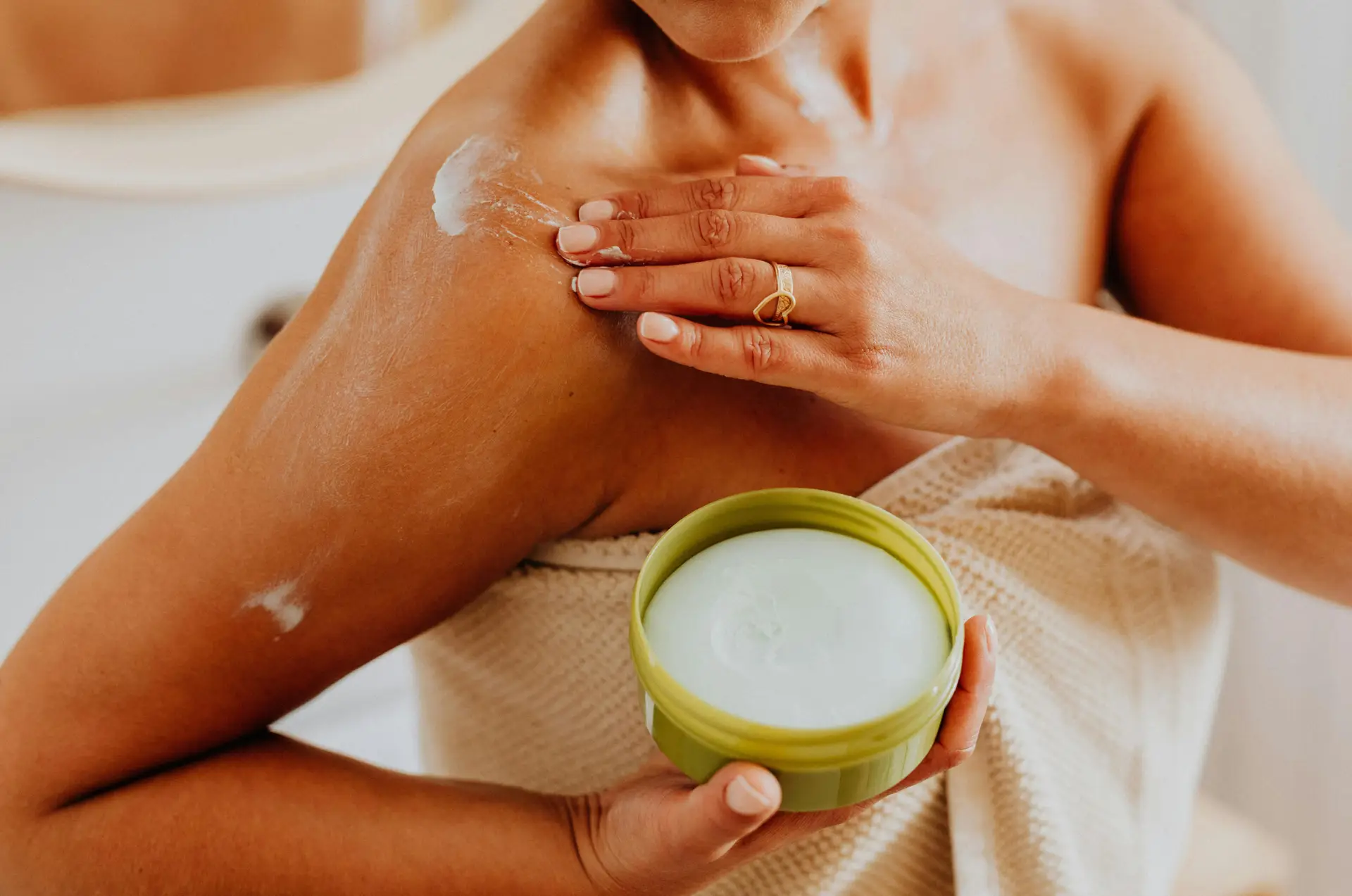
THC / CBD products like creams and balms that are applied to the skin for targeted results are called cannabis topicals.
What Are THC Topicals?
THC topicals are cannabis products made for use on the skin rather than for smoking, vaping, or eating. Depending on the product, you might see them sold as:
- Cannabis topical cream
- THC cream
- Cannabis lotion
- Balm or salve
- Body rub
- Roll-on
- Transdermal patch
Although transdermal products are grouped together under the topical umbrella, they are different.
A traditional weed cream, balm, or lotion is generally intended for localized application. You rub it onto a particular area, such as a sore shoulder, knee, wrist, or lower back. Researchers are studying how cannabinoids interact with the skin and peripheral cannabinoid receptors, but more clinical research is needed to determine how effectively different formulations work for specific conditions.
Transdermal products are different. They’re formulated to move active ingredients through the skin, potentially allowing cannabinoids to reach systemic circulation. That distinction is especially important when considering whether a topical could produce effects elsewhere in the body.
How Do THC Topicals Work?
So, how do THC topicals work? It starts with the skin and the body’s endocannabinoid system.
The endocannabinoid system includes cannabinoid receptors and other components found throughout the body, including in the skin. THC can interact with cannabinoid receptors, which is one reason researchers are interested in topical cannabinoids for localized applications.
When you rub a conventional cannabis topical cream onto your skin, the cannabinoids primarily interact with the area where the product is applied rather than entering your body in the same way they would after eating an edible or inhaling cannabis.
The science is still developing. Research has examined cannabinoids applied to the skin for potential analgesic and anti-inflammatory effects, but differences in formulation and absorption make it difficult to assume that every THC cream will behave the same way.
For South Dakota medical cannabis patients, that means the label matters. Look at which cannabinoids the product contains, the amount of THC and CBD, whether it is a standard topical or transdermal product, and the manufacturer’s directions.
Weed Cream for Sore Muscles After Activity
Western South Dakota gives you plenty of opportunities to put your muscles to work. A day hiking around Custer State Park, biking in the Black Hills, working outside, or simply tackling a physically demanding job can leave your body feeling sore afterward.
These are situations where some medical cannabis patients may be interested in a weed cream.
Unlike an edible, a topical lets you limit the application to a certain area. If you have a sore calf after a hike, for example, you can apply a cannabis topical cream to that specific area without consuming cannabis orally and getting systemic effects.
Application instructions differ by product, so don’t assume that more cream means better results. Follow the label, avoid applying the product to broken or irritated skin unless its instructions specifically allow it, and wash your hands afterward if possible.
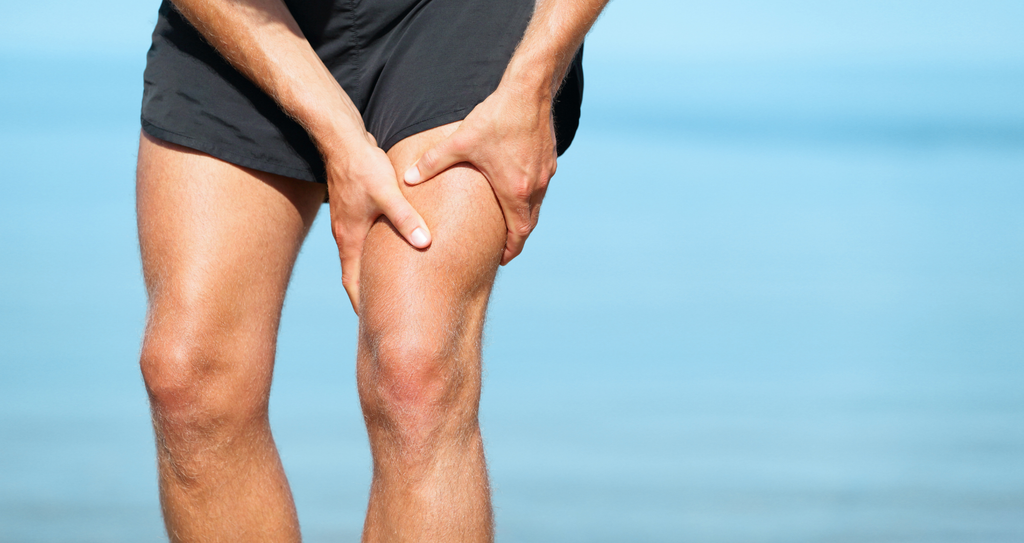
Applying topical cannabis cream to specific areas of your body may help soothe your muscle, joint, and arthritis pain.
Cannabis Topicals for Joint and Arthritis Pain
Joint discomfort can affect your ability to do everything from exercising to completing everyday tasks. Arthritis can also involve chronic pain and inflammation, which helps explain why people researching medical cannabis frequently encounter cannabis topicals during their search.
There is scientific interest in cannabinoids for pain and inflammation, including topical applications. However, research on topical cannabinoid products remains limited, and a THC cream should not be presented as a proven arthritis treatment.
South Dakota does recognize chronic pain among the debilitating medical conditions that may qualify a patient for the state’s Medical Cannabis Program. Whether an individual patient qualifies is determined through the state’s certification process.
If chronic pain is affecting your daily life and you’re wondering whether you may qualify for South Dakota medical cannabis, schedule an appointment with Rapid Referrals in Rapid City. We provide in-person evaluations for new patients and renewals.
Can Cannabis Lotion Get You High?
If you’re used to THC being associated with intoxication, you may understandably wonder: can cannabis lotion get you high?
A conventional topical lotion or cream generally isn’t intended to produce the intoxicating effects associated with smoking, vaping, or eating THC.
However, don’t assume that statement applies to every product placed on the skin.
Transdermal cannabis products are specifically designed to help cannabinoids pass through the skin. Formulation makes a difference, and researchers continue to study how effectively cannabinoids can be delivered through the skin.
Check whether you’re buying a standard topical or a transdermal product and follow its directions carefully. If you’re uncertain about possible impairment or interactions with other medications, talk with your healthcare provider.
THC Cream vs. CBD/ THC Topicals
Not every cannabis topical has the same cannabinoid profile. Some products emphasize THC, while others contain CBD or a combination of the two.
A THC cream may appeal to a medical cannabis patient specifically interested in a THC-containing product. A balanced topical containing both THC and CBD offers a different cannabinoid profile. You’ll also find products with ingredients such as menthol, camphor, or botanical oils, depending on the manufacturer.
Instead of assuming the product with the largest number on its package is automatically the best option, read the complete label. Consider the cannabinoid content, application instructions, additional active ingredients, and whether the product is designed for topical or transdermal use.
South Dakota medical cannabis dispensaries offer regulated products to registered patients, giving cardholders a legal way to shop for medical cannabis within the state.
How to Use Cannabis Topical Cream
Using a cannabis topical cream is typically pretty simple, but start with the manufacturer’s directions. Products can differ in potency, formulation, and recommended amount.
Choose the area where you want to apply the topical and make sure your skin is clean. Apply the recommended amount and massage it in if directed. Then give the product time before deciding whether you want to use more.
Be careful around your eyes and other sensitive areas, and keep cannabis products securely stored away from children and pets.
It can also help to keep track of what you’re using. Note the THC and CBD content, how much you applied, and your experience afterward. If you try another weed cream later, you’ll have something more useful to compare than the package design or total cannabinoid number.
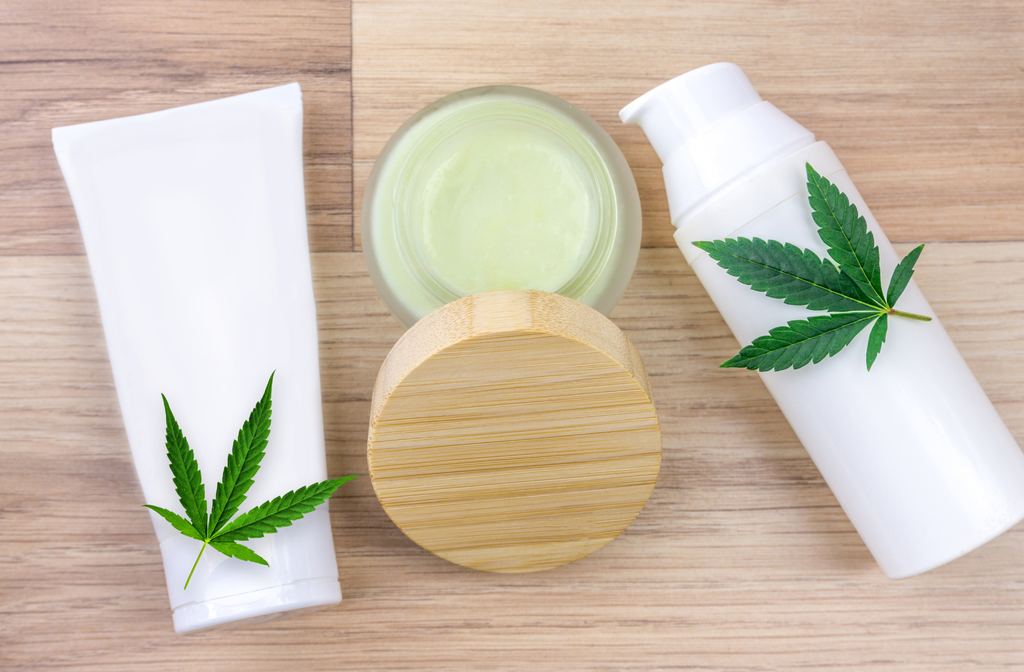
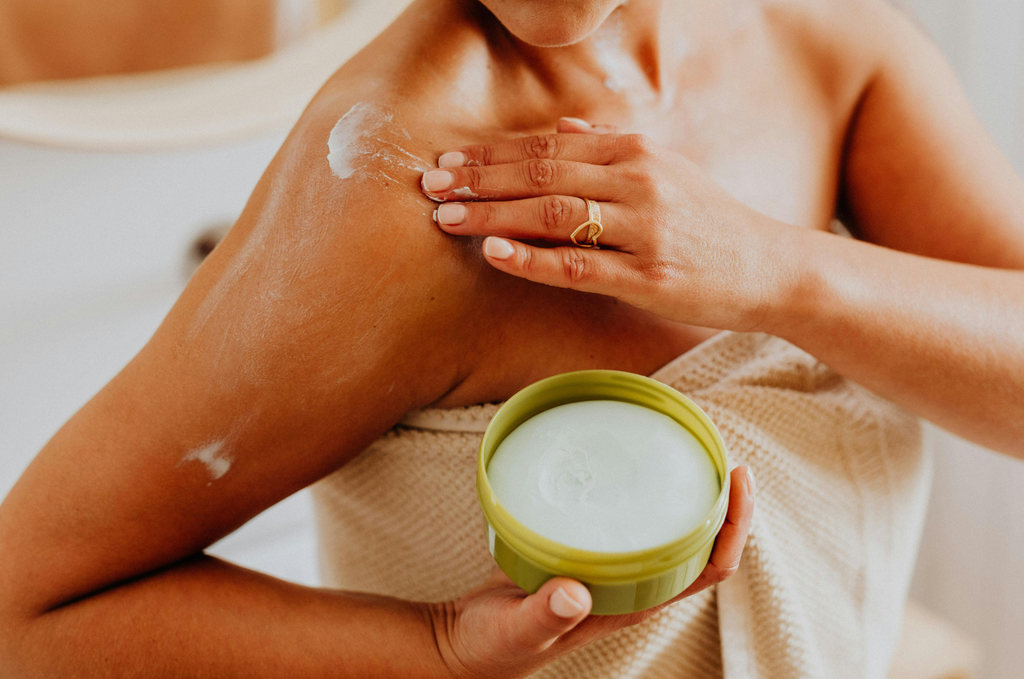
Topicals that contain THC and other cannabinoids can be accessed through South Dakota’s medical cannabis program.
Do You Need a Medical Cannabis Card for THC Topicals in South Dakota?
Yes, you do need a medical card to access THC topicals in South Dakota. The medical cannabis program gives qualifying registered patients access to regulated medical cannabis. A healthcare practitioner must first certify a patient before that patient can complete the state’s application process.
That applies whether you’re interested in THC topicals, flower, edibles, concentrates, or other medical cannabis products sold through South Dakota dispensaries.
Rapid Referrals helps make the certification process easier to understand. Our Rapid City clinic provides in-person medical cannabis evaluations for South Dakota patients. During your appointment, a medical provider will review your history and determine whether you have a qualifying debilitating medical condition.
Already have a card? Don’t wait until you’re out of time to think about your next certification. Rapid Referrals also welcomes returning patients who need to renew their South Dakota medical cannabis cards.
Find Out If South Dakota Medical Cannabis Is Right for You
A cannabis topical cream gives you a very different way to use cannabis than an edible, vape, or flower. You can apply a cream, balm, or lotion to a specific area, and conventional cannabis topicals generally aren’t designed to produce the same intoxicating experience associated with consuming THC.
Research into topical cannabinoids for muscle soreness, joint discomfort, chronic pain, arthritis, and other concerns continues to develop. If you’re considering cannabis because of persistent pain or another medical condition, discuss your symptoms and treatment options with a qualified healthcare professional.
If you’re a resident interested in South Dakota’s medical cannabis program, Rapid Referrals can help with the certification process. Schedule your in-person appointment at our Rapid City MMJ card clinic to get a new medical cannabis card or renew your existing certification.
[Schedule Your SD Medical Cannabis Consultation]
FAQs: THC Topicals & Cannabis Creams in South Dakota
What are THC topicals?
THC topicals are cannabis products applied to the skin rather than smoked, vaped, or eaten. They can include THC cream, lotions, balms, salves, body rubs, roll-ons, and transdermal products. Some contain primarily THC, while others combine THC with CBD or other ingredients.
How do THC topicals work?
If you’re wondering how do THC topicals work, cannabinoids such as THC interact with components of the endocannabinoid system found in the skin. Conventional cannabis topicals are applied to a specific area, while transdermal products are formulated differently and may allow cannabinoids to reach systemic circulation.
Can cannabis lotion get you high?
If you’re asking can cannabis lotion get you high, a conventional cannabis lotion or cream generally isn’t intended to produce the intoxicating effects associated with consuming THC. Transdermal cannabis products are different because they’re specifically formulated to help cannabinoids pass through the skin.
Can you use weed cream for sore muscles?
Some medical cannabis patients incorporate weed cream into their routines when dealing with muscle soreness. A topical can be applied to a specific area, such as a sore calf or shoulder. Research into topical cannabinoids continues, so follow the product directions and discuss persistent pain with a healthcare professional.
Can cannabis topicals help with joint or arthritis pain?
Researchers are studying cannabinoids for pain and inflammation, including topical applications, but evidence for cannabis topicals as an arthritis treatment is still limited. South Dakota recognizes chronic pain among the debilitating medical conditions that may qualify a patient for its Medical Cannabis Program.
What’s the difference between THC cream and THC/CBD topicals?
A THC cream emphasizes THC, while balanced topicals contain both THC and CBD in varying amounts or ratios. Products may also contain ingredients such as menthol, camphor, or botanical oils. Read the complete label to compare cannabinoid content, additional ingredients, and application directions.
How do you use cannabis topical cream?
Follow the manufacturer’s directions for your cannabis topical cream. Typically, you’ll apply the recommended amount to clean skin in the desired area and massage it in if directed. Avoid your eyes and sensitive areas, and don’t apply it to broken or irritated skin unless the label says you can.
Do you need a medical cannabis card to buy THC topicals in South Dakota?
Yes. You need a South Dakota medical cannabis card to access THC topicals through the state’s medical cannabis program. Rapid Referrals provides in-person medical cannabis evaluations in Rapid City for new patients and returning patients who need to renew their cards.