What the Supreme Court’s Hemani Decision Means for Medical Cannabis Patients and Firearm Rights
If you hold a South Dakota medical marijuana card and also own — or want to own — a firearm, you’ve likely wondered whether your cannabis use affects your Second Amendment rights. A recent U.S. Supreme Court decision has generated headlines suggesting that marijuana users can now legally own guns without restriction. The reality is more nuanced, and South Dakota patients deserve a clear explanation.
A Win for Cannabis Patients But Not a Blanket Approval
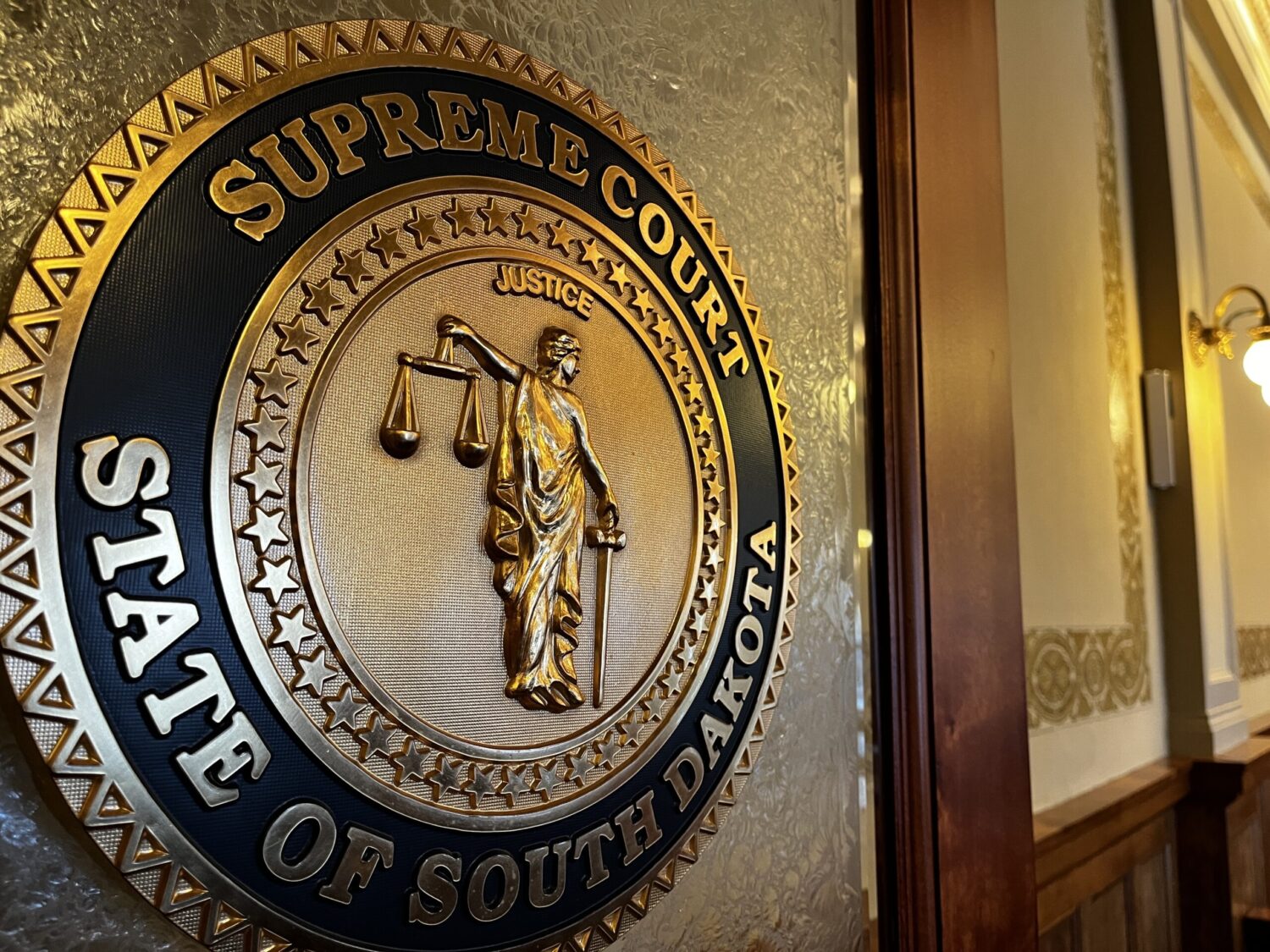
In United States v. Hemani, the Supreme Court ruled that the federal government cannot automatically prosecute someone simply because they use marijuana and possess a firearm. Instead, the government must demonstrate that applying the federal prohibition is consistent with the Second Amendment and supported by this nation’s historical tradition of firearm regulation.
This is a meaningful constitutional decision, but it does not mean that federal marijuana laws have been repealed or that cannabis users are now free from all firearm restrictions.
Cannabis Remains a Schedule I Substance Under Federal Law
Although medical marijuana is legal in South Dakota and recreational marijuana is legal in many other states, cannabis remains a Schedule I controlled substance under federal law. Federal firearm statutes have not been repealed. They still prohibit firearm possession by an “unlawful user” of a controlled substance.
The Hemani decision means the government can no longer automatically assume that every marijuana user should lose their Second Amendment rights — but the underlying federal law is still in effect.
What This Means for South Dakota Medical Marijuana Card Holders
For patients using medical cannabis responsibly under South Dakota’s program, the Hemani ruling is encouraging. The Court recognized that not every cannabis user presents a danger simply because they use marijuana, and emphasized that constitutional rights cannot be stripped away without adequate legal justification.
However, this ruling does not create a nationwide right for all cannabis users to purchase or possess firearms. Federal law remains in place, and future court decisions will define how broadly Hemani applies.
Learn more about qualifying for a South Dakota medical marijuana card.
Should Medical Cannabis Patients Feel Comfortable Owning Firearms?
Not quite yet. There is still a conflict between South Dakota’s medical cannabis laws and federal firearm regulations. Patients should understand:
- Federal firearm purchase forms (ATF Form 4473) still ask about unlawful marijuana use
- Federal agencies have not eliminated existing firearm restrictions for cannabis users
- The legal landscape is actively evolving and may continue to change through future rulings or congressional action
My Take
A South Dakota medical cannabis card does not, by itself, make someone a criminal. However, under current federal law, a person who actively uses marijuana is still generally treated as an “unlawful user of a controlled substance” for purposes of federal firearms statutes. Recent Supreme Court decisions have called into question whether that status alone is sufficient to strip someone of their Second Amendment rights — but federal restrictions have not disappeared.
As a physician who certifies patients for medical cannabis, I believe this decision is an important step toward recognizing that responsible medical cannabis patients should be evaluated as individuals, not automatically treated as dangerous because they use a physician-recommended therapy.
Until federal law changes or additional guidance is issued, medical cannabis patients should continue to understand both their state rights and the remaining federal restrictions. We will monitor these developments and keep our patients informed as the law evolves.
Frequently Asked Questions: Medical Marijuana Cards and Firearm Rights in South Dakota
Can I own a gun if I have a South Dakota medical marijuana card?
Federal law still classifies active marijuana users as “unlawful users of a controlled substance,” which restricts firearm possession under federal statute. The Supreme Court’s Hemani decision has challenged how broadly that restriction can be applied, but it has not eliminated the federal prohibition. Speak with a legal professional for guidance specific to your situation.
What did the Supreme Court rule in United States v. Hemani?
The Court ruled that the federal government must show that prosecuting a marijuana user for firearm possession is consistent with the Second Amendment and the nation’s historical tradition of firearm regulation. It did not strike down federal marijuana laws or declare all cannabis users free to own firearms.
Does having a medical marijuana card show up on a federal firearms background check?
State-issued medical marijuana card registries are generally not included in federal background check databases. However, ATF Form 4473 — required for all federally licensed firearm purchases — asks whether you are an unlawful user of a controlled substance. Because cannabis remains federally illegal, answering dishonestly on this form carries serious federal penalties.
Will federal law on cannabis and firearms change soon?
This is an area of active legal evolution. Future court decisions and potential congressional action on cannabis rescheduling or descheduling could shift the landscape significantly. We recommend staying informed and consulting with a licensed attorney for personal guidance.